Get Flowerbed Edging Installation
Local contractors can install flowerbed edging to define garden borders, prevent soil erosion, and enhance curb appeal for various landscaping projects.
Flowerbed edging installation is a practical enhancement for property owners looking to define garden spaces, reduce maintenance, and improve overall curb appeal. Whether planning a new landscape project or updating existing garden beds, many find that well-installed edging creates a clean, organized look while helping to keep mulch and soil contained. Exploring options for this work involves comparing local contractors who specialize in landscape edging, ensuring the right fit for specific property needs and aesthetic preferences.
Property owners in the area often consider flowerbed edging to improve the functionality and appearance of outdoor spaces. Local service providers can offer guidance on suitable materials and installation techniques to match different landscape styles. Continuing to explore these options can help identify experienced contractors capable of handling the project efficiently, making it easier to plan and execute a successful garden enhancement.
- Flowerbed Edging Installation - When defining garden borders to create a polished landscape appearance.
- Garden Bed Edging - To contain mulch, soil, or plants and prevent spreading into lawn areas.
- Landscape Edging Services - For enhancing curb appeal and establishing clear separation between lawn and planting beds.
- Custom Edging Solutions - When seeking tailored borders that complement specific garden designs or styles.
- Hardscape Edging - To add durable, low-maintenance borders around flowerbeds and landscaped zones.
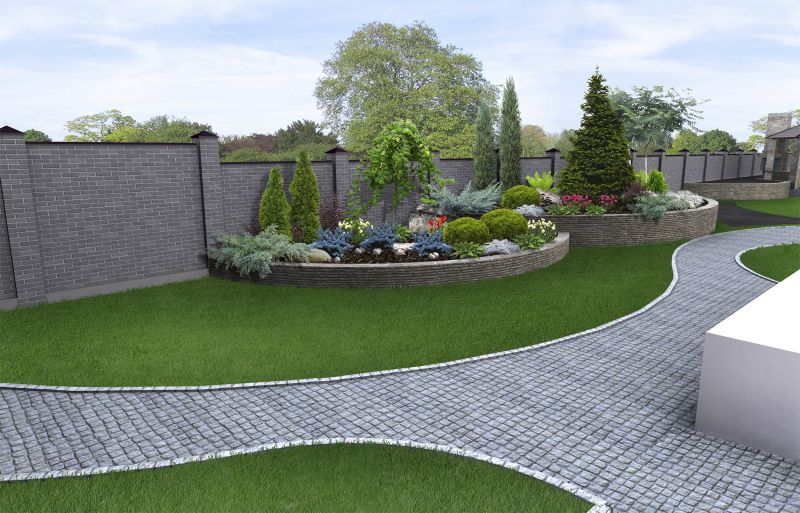
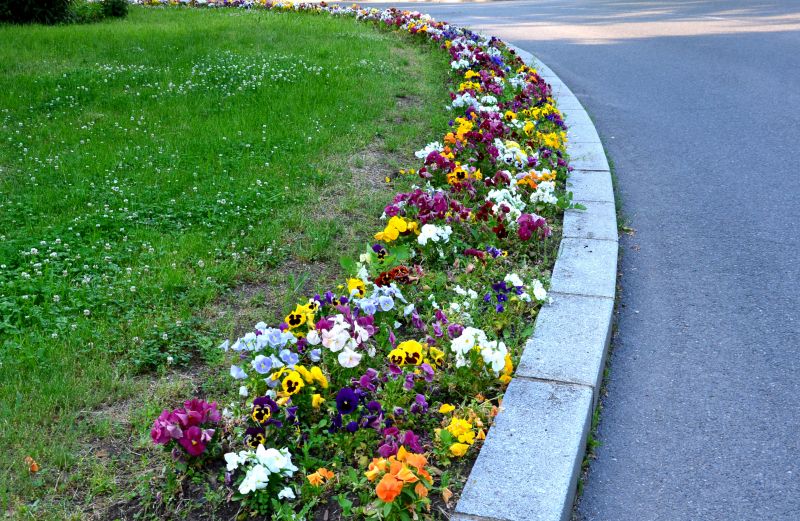
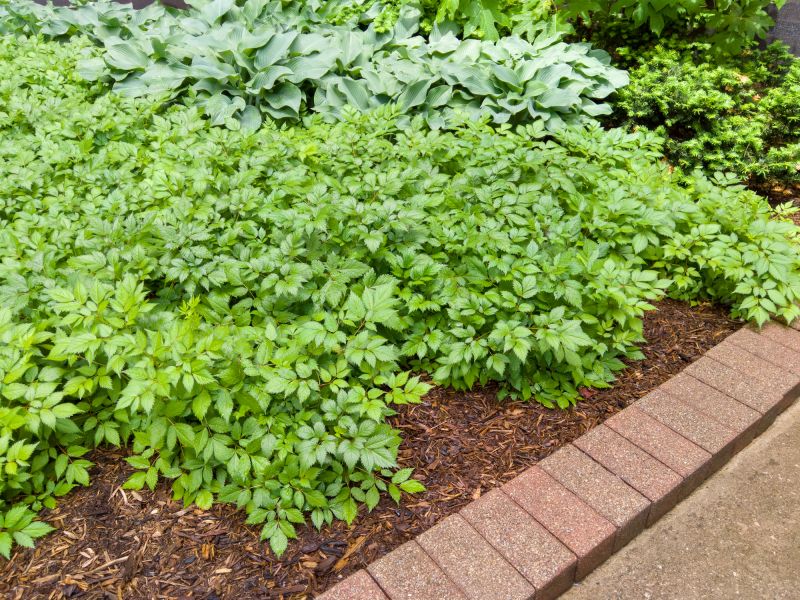
Flowerbed edging installation involves creating a defined border around garden beds and landscaped areas to enhance their appearance and functionality. This service typically includes selecting the appropriate edging material, preparing the ground, and carefully installing the border to ensure it remains level and secure. The goal is to provide a clean, polished look that clearly separates flowerbeds from lawns or other yard sections, making garden maintenance easier and preventing grass or weeds from encroaching into flower areas.
This service helps address common landscape problems such as overgrown grass spilling into flowerbeds, uneven or poorly defined borders, and soil erosion that can cause mulch or gravel to shift. Installing a durable edging solution helps maintain a neat appearance over time, reducing the need for frequent trimming or redefinition of garden boundaries. It also helps contain mulch, gravel, or decorative stones, preventing them from spreading into other parts of the yard, which can save time and effort in ongoing yard maintenance.
Flowerbed edging is often used on residential properties, including front yards, backyard gardens, and larger estate landscapes. It is suitable for homeowners seeking a tidy, organized look for their outdoor spaces or those wanting to improve the durability of their garden boundaries. Properties with irregularly shaped beds, multiple planting zones, or areas prone to soil erosion can benefit from professional edging installation to create a more polished and functional landscape.
Local contractors who specialize in flowerbed edging installation can offer a variety of materials, such as brick, stone, plastic, metal, or wood, to match different aesthetic preferences and yard conditions. They can assess the specific needs of a property, recommend suitable edging options, and ensure the installation is done correctly for long-lasting results. Engaging experienced service providers can help homeowners achieve a well-defined, attractive garden space that requires less ongoing maintenance and remains visually appealing over time.
The overview below groups typical Flowerbed Edging Installation projects into broad ranges so you can see how smaller, mid-sized, and larger jobs often compare in your area.
In many markets, a large share of routine jobs stays in the lower and middle ranges, while only a smaller percentage of projects moves into the highest bands when the work is more complex or site conditions are harder than average.
Smaller Repairs - For minor edging repairs or touch-ups, local contractors typically charge between $150 and $400. Many routine jobs fall within this range, especially for simple fixes or small sections.
Basic Installation - Installing new flowerbed edging in a standard yard usually costs between $250 and $600. This range covers most mid-sized projects with straightforward designs and materials.
Full Replacement - Replacing existing edging with new materials can range from $600 to $1,200 for larger or more complex yard projects. Fewer projects reach the upper end of this scale, which often involves extensive prep work.
Custom or Large-Scale Projects - Larger, more intricate flowerbed edging installations can cost $1,200 or more, with some high-end, elaborate designs exceeding $5,000. These projects are less common and typically involve detailed planning and premium materials.
Actual totals will depend on details like access to the work area, the scope of the project, and the materials selected, so use these as general starting points rather than exact figures.
Garden Pathway Installation - this project involves precise planning and the use of edging tools to create defined borders for walkways, similar to flowerbed edging.
Landscape Border Construction - constructing borders around lawns or planting beds requires similar skills in planning, measuring, and installing edging materials.
Retaining Wall Building - building small retaining walls involves planning and the use of tools for creating clean, stable edges in outdoor spaces.
Grass and Turf Edging - installing turf borders requires careful planning and the use of edging tools to separate different landscape areas neatly.
Hardscape Edging Projects - creating borders for patios or walkways involves similar techniques and planning as flowerbed edging.
Vegetable Garden Bed Construction - defining garden beds with edging materials involves planning and tools comparable to flowerbed edging installation.
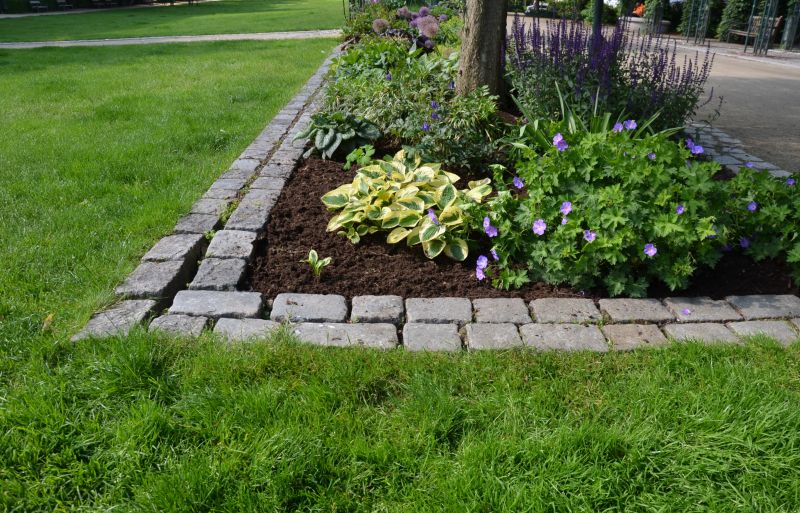
When comparing local contractors for flowerbed edging installation, it’s important to consider their experience with similar projects. A contractor who has successfully handled numerous flowerbed edging jobs can demonstrate familiarity with different landscape styles, materials, and techniques. This experience often translates into a smoother process and a result that aligns with the homeowner’s vision. Asking for examples of past work or references related to flowerbed edging can provide insight into their expertise and help determine if their style and approach match the project’s needs.
Clear, written expectations are essential to ensure that both the homeowner and the service provider are aligned on the scope of work. A reputable contractor should be able to provide a detailed description of the services offered, including the materials used, the installation process, and any specifics related to the project. Having these details in writing helps prevent misunderstandings and provides a basis for evaluating proposals. Homeowners should feel comfortable requesting clarification or additional information to ensure that expectations are transparent and achievable.
Good communication and reputable references are key indicators of a reliable local contractor. Service providers who communicate promptly, answer questions clearly, and keep the homeowner informed throughout the process tend to foster a more positive experience. Additionally, seeking references from previous clients can offer valuable insight into the contractor’s professionalism, reliability, and quality of work. While the site itself does not perform the work, it can assist in connecting homeowners with local pros who meet these criteria, helping to facilitate informed decisions when selecting a contractor for flowerbed edging installation.
Property owners use Flowerbed Edging Installation services for practical projects around their homes and businesses. This guide focuses on everyday jobs and straightforward project options.
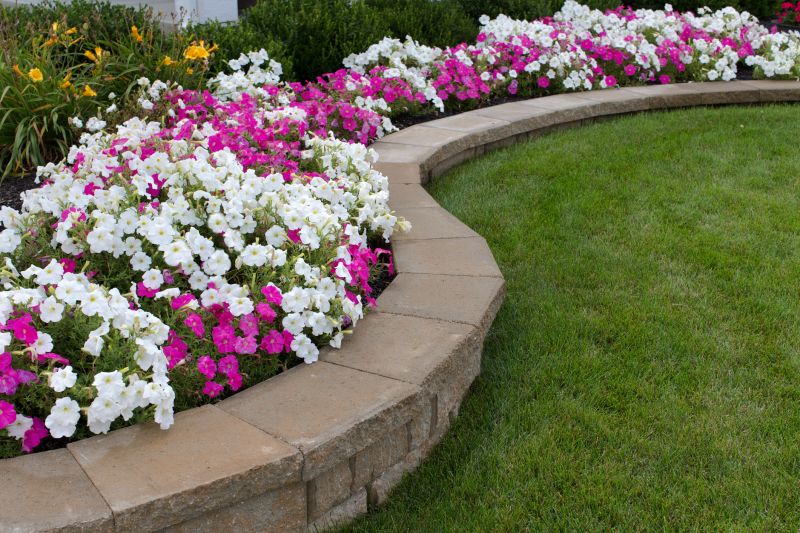
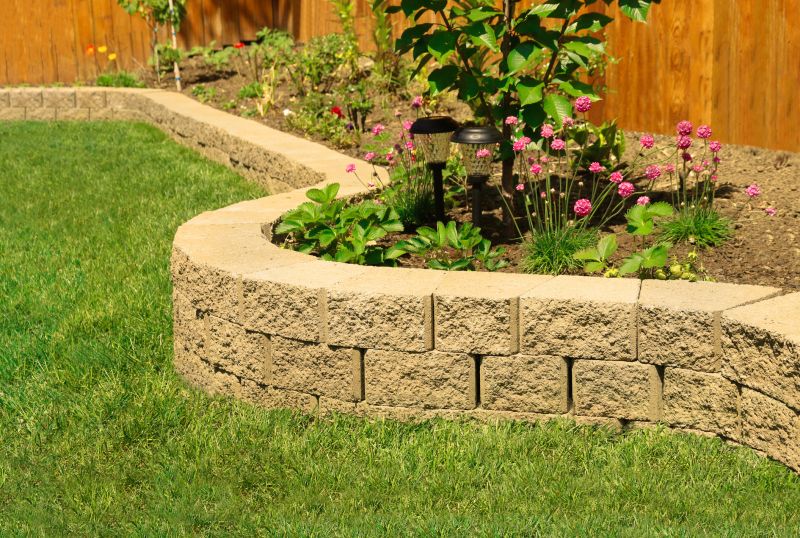
Flowerbed edging installation is a common project for property owners looking to define garden spaces and enhance curb appeal. Homeowners may seek these services when they want to create clean, attractive borders around flowerbeds or vegetable gardens, helping to keep soil and mulch contained while providing a polished look. Local contractors can assist with installing durable edging materials that suit the style of the property, making it easier to maintain tidy and organized landscaping areas.
Property owners often look for flowerbed edging services to prevent grass and weeds from encroaching into garden beds or to create clear separation between lawn and planting areas. This work can also help improve the overall appearance of outdoor spaces, making gardens look more intentional and well-kept. Local service providers are available to handle various edging options, ensuring that the finished result meets the homeowner’s aesthetic and functional preferences.
What is flowerbed edging installation? Flowerbed edging installation involves placing a border around garden beds to define space, prevent grass encroachment, and enhance appearance. Local contractors can handle this task to improve garden organization.
What materials are used for flowerbed edging? Common materials include plastic, metal, stone, brick, and wood. Service providers can recommend options that suit the style and durability preferences of the landscape.
How does flowerbed edging benefit a garden? Edging helps contain mulch and soil, reduces weed growth, and creates a clean, finished look for flowerbeds. Local service providers can install edging that complements existing landscaping.
Can flowerbed edging be installed around existing plants? Yes, experienced contractors can install edging around existing plants and features, ensuring minimal disturbance while enhancing the garden's appearance.
What should be considered when choosing flowerbed edging styles? Factors include the garden's overall design, durability of materials, maintenance needs, and personal aesthetic preferences. Local pros can help select the best style for specific landscape goals.
Define garden boundaries - Installing flowerbed edging helps clearly separate planting areas from lawns or walkways for a tidy appearance.
Prevent soil erosion - Edging can keep soil and mulch contained within flowerbeds, reducing washout during rain.
Enhance landscape design - Using decorative edging materials creates visual interest and complements existing outdoor features.
Improve maintenance ease - Edged flowerbeds simplify trimming, weeding, and watering by providing clear borders.
If you are thinking about Flowerbed Edging Installation for a property, this guide is meant to help you understand the work, the typical project types, and how different options might fit your plans.
When you are ready, you can use the quote form on this page to share a few details about your project. From there, local pros can review the basics and respond with options that match what you have in mind.